

Will you believe it if I say you are a part of a branding strategy that many companies use? Yes, you heard it right. Some brands don’t just sell, they connect. You remember singing the Airtel song as a movie theme, recalling their tagline, and feeling a sense of closeness while seeing their logo. This is what brands expect, and this is their branding strategy.
Today, we will dive deep into the branding strategies of big companies like Airtel, Nike, Coca-Cola, and Amazon. These aren’t just popular names; they are using emotional marketing, strategic positioning, and customer-centric to stay at the top of mind and win hearts.
From Airtel’s Perplexity AI deal to Coca-Cola’s emotional branding, from Nike’s brand strategy to Amazon’s customer loyalty approach, you’ll discover the real secrets behind their success.
Let’s move into it,
What is emotional branding & why does it work:

Before we get into each brand, let’s get to the heart of it:
What is emotional branding?
Emotional branding is the art of building a strong emotional connection between a brand and its audience. It’s not about features, it’s about feelings. Studies show that consumers trust more in emotions than information when judging a brand.
Think about it. You don’t just buy shoes, you buy confidence (Nike). You don’t just sip a drink, you feel happiness (Coca-Cola). That’s emotional branding in action.
What Is Airtel’s Branding Strategy and Why Is It Working?
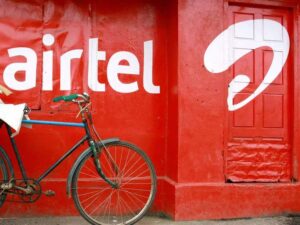
When you think of Airtel, without knowing you start humming that soft BGM. And that’s not accidental.
Airtel’s New Strategy: The Perplexity AI Deal
In 2025, Airtel made headlines by partnering with Perplexity AI to bring smart search features to its platforms. This move was not just about tech; it was about personalization and innovation.
Why it works:
It tells customers, “We’re not just a telecom provider. We are future-ready with AI”
Airtel and Emotional Advertising
From its early campaigns focused on friendship, family, and connection, Airtel consistently uses emotional branding to build loyalty.
Remember the campaign where a kid calls his dad from a remote village, and the line is crystal clear? It wasn’t about network towers; it was about emotional connection over distance.
What’s the Strategy Behind Airtel’s Branding?
- Emotional hooks: Friendship, family, unity.
- Modern innovation: AI partnerships = smart brand image.
- Consistent brand tone: Clean, trust-building, and relatable.
Result?
They’ve built one of the most trusted telecom brands in India, and now they’re positioning themselves as tech innovators too. This announcement caused perplexity at the top search on the Google Play Store.
What Makes Nike’s Brand Strategy So Powerful?

Nike’s branding isn’t just about sports. It’s about independence.
The “Just Do It” Revolution
This tagline is one of the most famous in history. But here’s the twist: it’s not about selling shoes. It’s about selling self-belief.
Whether you’re a professional athlete or someone jogging for the first time, Nike tells you: “You’ve got this.”
Storytelling That Moves
Nike’s ads feature:
- Real people, not just celebrities.
- People who rise.
- Voices that speak about social issues, not just performance.
Like the Colin Kaepernick campaign. Risky? Yes. But it positioned Nike as a courageous and value-driven brand.
Nike’s Branding Formula
- Emotional messaging: Courage, resilience, self-worth.
- Community feel: Nike Run Clubs, app integration, etc.
- Product meets purpose: Even the design reflects identity.
Benefit?
Loyal fans don’t just wear Nike. They live in Nike.
How Coca-Cola Became the Master of Emotional Branding
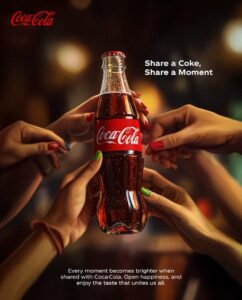
When someone says “Coca-Cola,” what comes to mind?
Red. Christmas. Smiles. Joy.
This is not accidental.
Coca-Cola’s Branding Strategy: Happiness in a Bottle
Coca-Cola doesn’t push product specifications. Instead, they market emotions like:
- Togetherness
- Celebration
- Happiness
The “Share a Coke” campaign made people feel seen. Personalised bottles weren’t about names; they were about connection.
Memory Marketing: The Christmas Masterstroke
They turned Santa Claus red. Literally.
Each year, Coca-Cola’s Christmas ads bring back warm childhood memories. And that’s a genius form of emotional connection.
Coca-Cola’s Branding Playbook
Universal emotions: Joy, happy memories, celebration
Consistency for decades: From logo to tone
Localised campaigns: Yet globally cohesive
The impact?
It’s not just a drink, it’s a moment. Coca-Cola ranks among the top 3 most valuable brands in the world, year after year.
How Amazon Builds Customer Loyalty Through Branding

Amazon’s brand isn’t loud. It’s not flashy. But it’s deeply personal.
Amazon = Convenience, Trust & Speed
Amazon’s branding is rooted in one thing: customer satisfaction
From one-click purchases to Prime delivery, the brand whispers:
“We’re here to make your life easier.”
How Jeff Bezos Built Amazon’s Branding
Bezos once said:
“Your brand is what people say about you when you’re not in the room.”
That’s why Amazon:
- Answers every query.
- Prioritises reviews.
- Never stops improving UX.
And that orange smile under their logo? It points from A to Z—meaning they’ve got it all covered.
Amazon’s Loyalty Strategy
- Prime perks: Fast shipping, Prime Video, music.
- Easy returns: No stress = more trust.
- Personalization: Smart recommendations boost conversion and stickiness.
Result?
Amazon doesn’t just have users, it has brand believers.
Final Thoughts:
What Can We Learn from These Branding Giants?
Whether it’s Airtel using AI while creating emotional ads, Nike inspiring millions to chase dreams, Coca-Cola bottling joy, or Amazon serving your every need, the secret is emotional connection + customer-first innovation.
They’re not just selling products.
They’re selling values, trust, and transformation.
Don’t just build a product, build a brand that makes people feel.





Leave a Reply